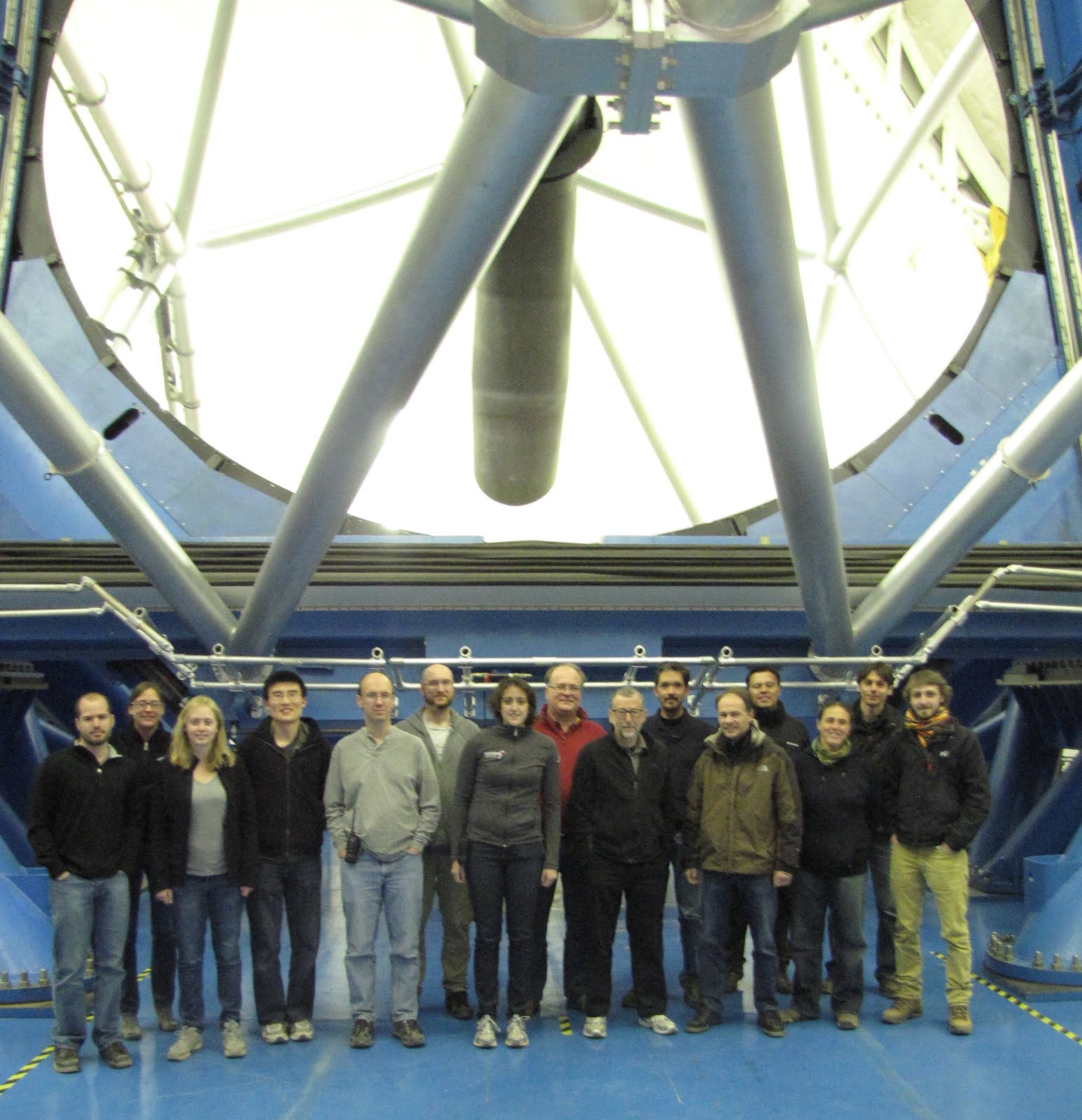
Johns Hopkins University and the Space Telescope Science Institute have partnered to raise awareness about the James Webb Space Telescope launch and the impacts that it will have for research and discovery.
Infrared ‘Eyes’ on the Universe: Introducing the Science and Engineering of JWST
This 2021 event included Dr. Raymond Simons, who gave an overview of the remarkable capabilities of this observatory and the discovery frontier it will open.
Documentary Screening Livestream: “Helping You to Be You”
This 2021 event premiered the open source mini documentary “Helping You to Be You.” This film explores the work done by Senator Barbara A. Mikulski and others to advocate for the Hubble Space Telescope.
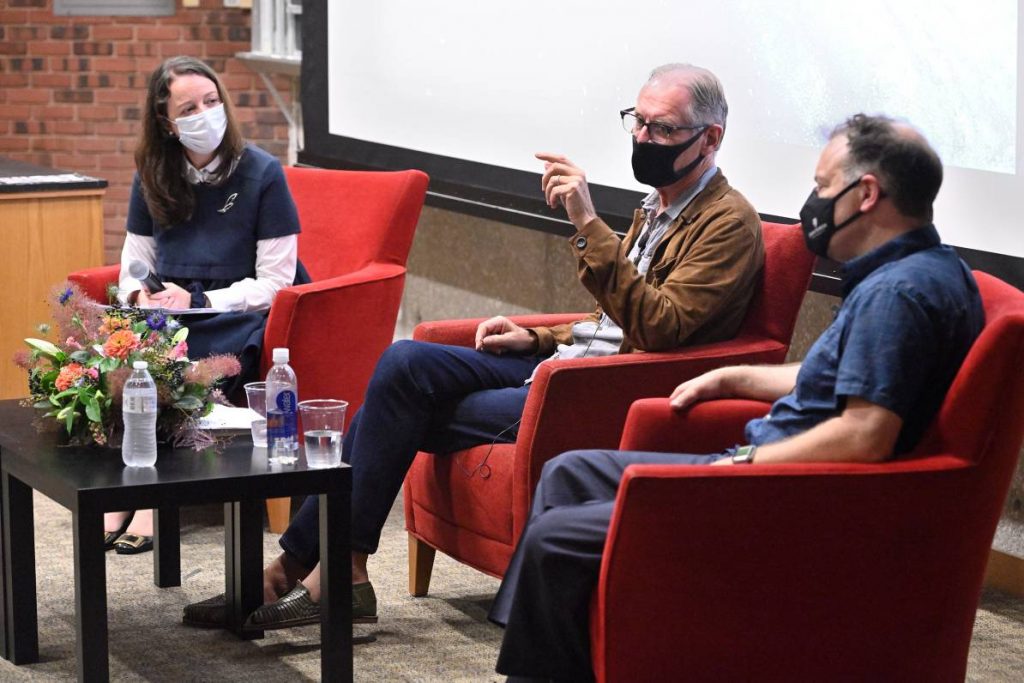
It became all space: Physics & Poetry in Dialogue
This 2021 event was a conversation between Nobel Laureate in Astrophysics Adam Riess & UK Poet Laureate Andrew Motion about their shared impulse to understand the universe and our place within it.
“Mapping the Universe’s Origin Story” Johns Hopkins Magazine on the James Webb Space Telescope Launch
Space Telescope Science Institute (STScI)
The Space Telescope Science Institute, located adjacent to the Physics and Astronomy Department, is the operations center for the Hubble and James Webb Space Telescopes on behalf of NASA and the international astronomical community. While STScI and CAS are separate research institutions, there are strong long-time collaborative ties between the two institutions which greatly enrich the astrophysics environment on the JHU campus. The research staff at STScI includes over a hundred staff astronomers, scientists, and postdocs, and offers opportunities for graduate student involvement in a wide range of research topics from the solar system to exoplanets to the dawn of the first stars and galaxies. About a third of graduate students within CAS conduct research with STScI staff. In addition to its weekly astronomy colloquia, several times each year STScI hosts workshops and symposia on astronomical topics of interest, bringing experts from around the world to Baltimore to present and discuss the latest discoveries; these events are jointly attended by CAS and STScI astrophysicists.
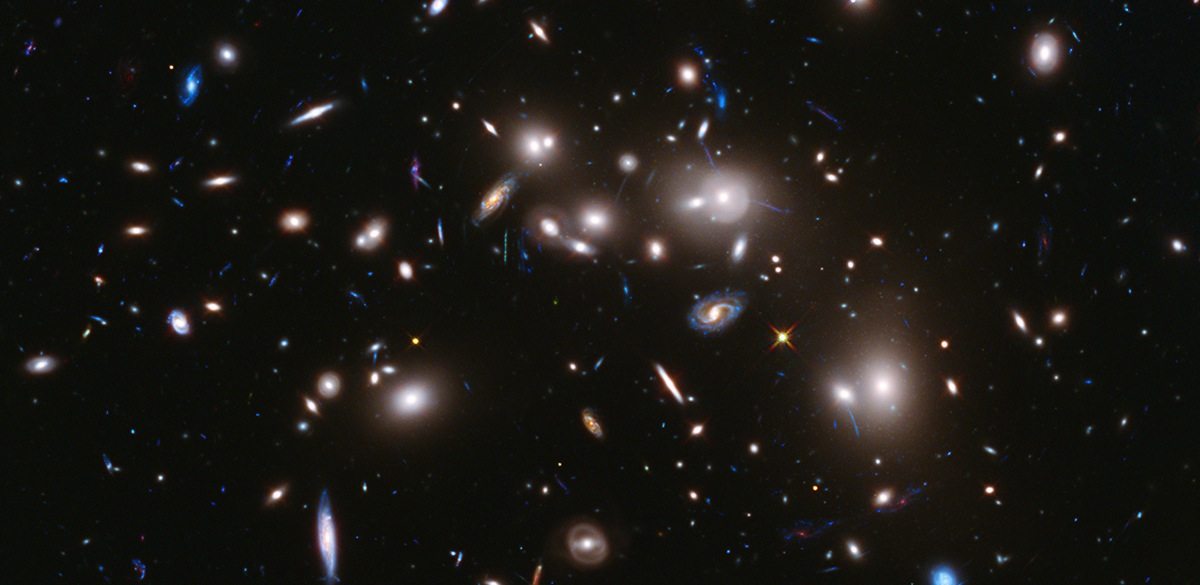
Research with Hubble and JWST: There are many opportunities for students to participate in studies with the Hubble Space Telescope, ranging from major multi-year programs such as the CANDELS and CLASH surveys (PIs: Marc Postman, Harry Ferguson) and Frontier Fields Initiative (Jennifer Lotz), to smaller programs led by individual staff astronomers investigating topics from stellar flares (Rachel Osten) to interstellar dust (Karl Gordon) to the kinematics and dynamics of galaxies (Susan Kassin) to ground- and HST-based studies of resolved stars in nearby galaxies Karoline Gilbert). In addition to working directly with Hubble observations, students are involved in followup programs with major terrestrial telescopes including Keck and Gemini. The large and active community of extragalactic observers at JHU/CAS and STScI makes them jointly one of the strongest centers in the country for the study of galactic formation and evolution. The upcoming launch of the James Webb Space Telescope (JWST) will open new astronomical frontiers, and students at CAS in collaboration with STScI staff will be engaged in some of the first science programs with JWST. Indeed, several past graduate students at JHU CAS have gone on to subsequently join the research staff at STScI, or at the nearby NASA Goddard Space Flight Center, and are now directly working to support JWST and other future space missions.
Extrasolar Planets at STScI: The study of planets beyond our solar system has blossomed into an exciting and rapidly moving field. STScI researchers are engaged in all of the major exoplanet detection methods, from radial velocities (Jeff Valenti) to transits (Peter McCullogh, Ron Gilliland) to microlensing (Kailash Sahu). There’s a substantial team involved in the direct imaging of exoplanets and circumstellar using coronagraphs and other high contrast techniques. The Extrasolar Planetary Systems Imaging Group at STScI is leading efforts to image planets and disks using the Hubble Space Telescope (Remi Soummer, John Debes, Dean Hines, David Golimowski), and with state-of-the-art adaptive optics systems such as the Gemini Planet Imager (Marshall Perrin, Laurent Pueyo) and non-redundant aperture masking interferometers (Anand Sivaramakrishnan). The Russell Makidon Optics Laboratory at STScI is home to ongoing technology development for future NASA missions that will seek to obtain images and spectra of nearby terrestrial exoplanets. There is also substantial expertise in spectroscopic and dynamical studies of circumstellar disks (Christine Chen, Amaya Moro-Martin, Klaus Pontoppidan, James Muzerolle).